

You Can Never Return to the Same Place
Because you can never return to who you were the first time.


“Let’s never come here again, because it would never be as much fun.”
It’s the most important line in Lost in Translation. Said softly, almost offhand, but it carries within it the whole film. That Tokyo night, that fragile chemistry, that exact version of who they were can’t be summoned twice.
And that’s not just the truth of two characters in a movie. It’s the truth of travel itself.
We convince ourselves otherwise. We make lists of places to return to, the bars and cafes we’ll revisit, and the moments we’ll replay as if the past were waiting on pause. But the alchemy is gone. The meal won’t taste the same. The sunrise won’t fall on the same you. The city has changed. So have you. That’s the curse inside the line: the moment you try to relive an experience, you prove it was unrepeatable all along.
Of course, we go back anyway. Because we’re hopeful. Because we can’t help ourselves.
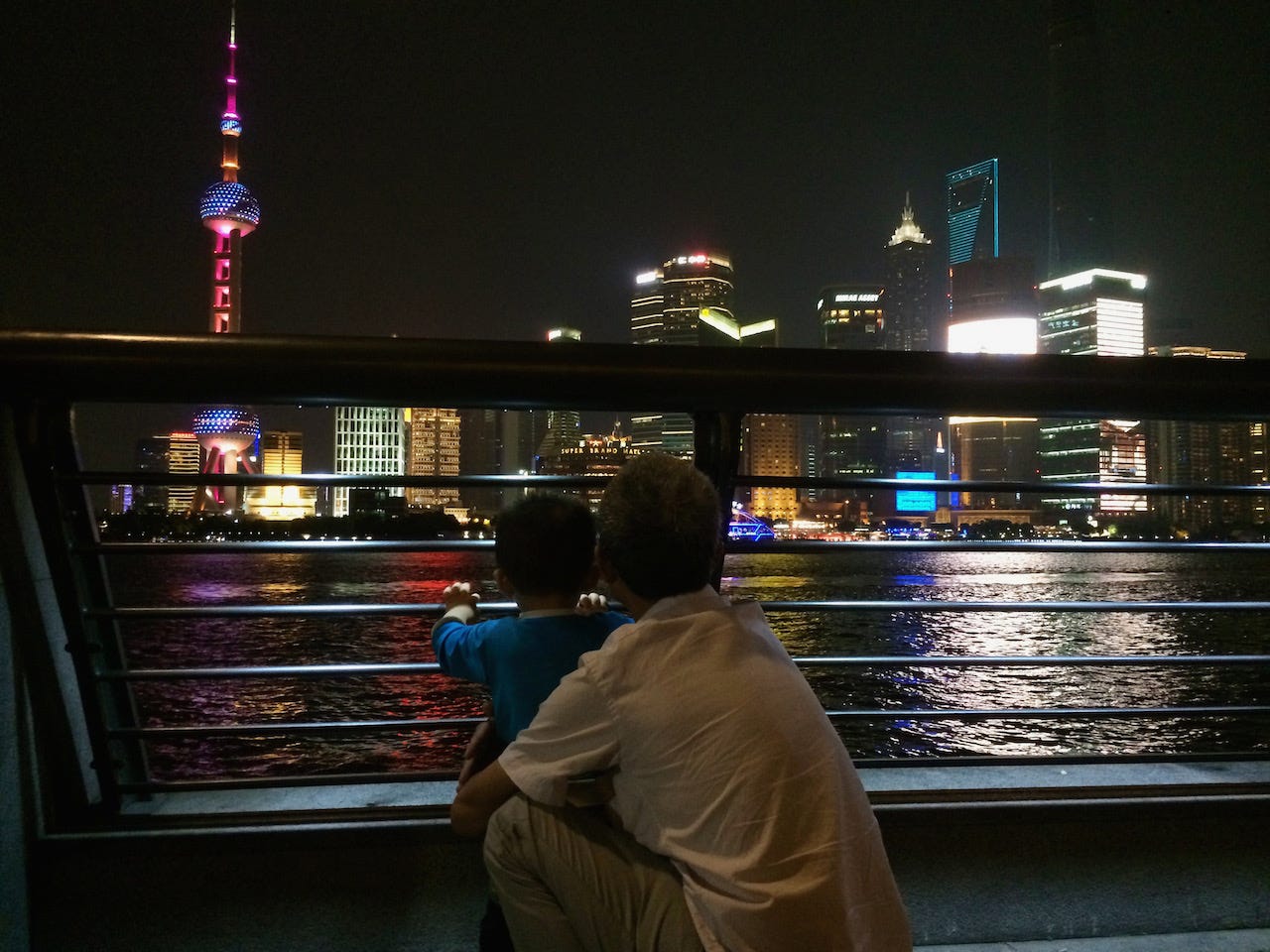
I think most about Shanghai. It’s the place that made me — where I learned to navigate chaos, where I grew into adulthood, where every day felt like stumbling into a scene I wasn’t fully prepared for. Leaving felt like cutting away a part of myself. Which is why going back always feels dangerous. The skyline will be different (it always is) but the sharper change is in me. I’m no longer the newcomer fumbling through menus, overwhelmed by it all. What I see now is a double exposure: the city in front of me, and the ghost of the city I carry inside.
For a long time, it felt like loss. I know I will never live there again. That first life is closed, sealed off to me. But with time, the ache has softened into something closer to acceptance. Shanghai remains a place I love, but what I grieve for is not its changing skyline or soul, it’s the version of myself who once stood beneath it.
Psychologists remind us that memory isn’t a file we pull down from a shelf but a story we rewrite each time we recall it. Frederic Bartlett argued nearly a century ago that we rebuild memories, reshaping them with every retelling. This means that going back never offers the original city, or the original you. What you encounter is always a revision, bent by who you’ve become since.
Researchers studying travel note that first trips burn brightest because novelty imprints itself so deeply. The more foreign the place, the stronger the mark it leaves. That’s why New York, Tokyo, or Nairobi feel unforgettable in ways a familiar weekend away never could. The shock of difference electrifies memory. Return trips rarely carry the same charge, not because the streets have dulled, but because you’ve adapted.
But it isn’t only geography that works this way. Relationships are places, too. When you reunite with an old friend, you’re not just meeting them, you’re reentering the version of yourself that once sat across from them. Lovers, family, travel companions: they shape the context as much as any city. That’s why nostalgia so often feels intertwined with people. A bar in Lima isn’t just a bar; it’s the laugh you shared there. A path in the Alps isn’t just a trail; it’s who walked beside you. When those people are gone, or when you yourself have changed, the place can’t help but feel haunted.

I tell myself I don’t go back much, that I’d rather keep moving forward. But some nights I do feel the pull. And if I’m honest, it isn’t a return to a place I want so much as a return to the comfort of who I was then and the people who made it feel that way.
Which is why the line in Lost in Translation lingers. Charlotte and Bob aren’t really mourning Tokyo. They’re mourning the version of themselves they were only able to be together.
Nature reminds us too. A trail you thought you knew reveals itself differently each time. A storm has felled trees. Wildflowers bloom where last season there were none. The weather itself has changed. The landscape hasn’t only shifted; your body has. What repeats isn’t the view but the awareness that you are no longer the same hiker who first stood there.
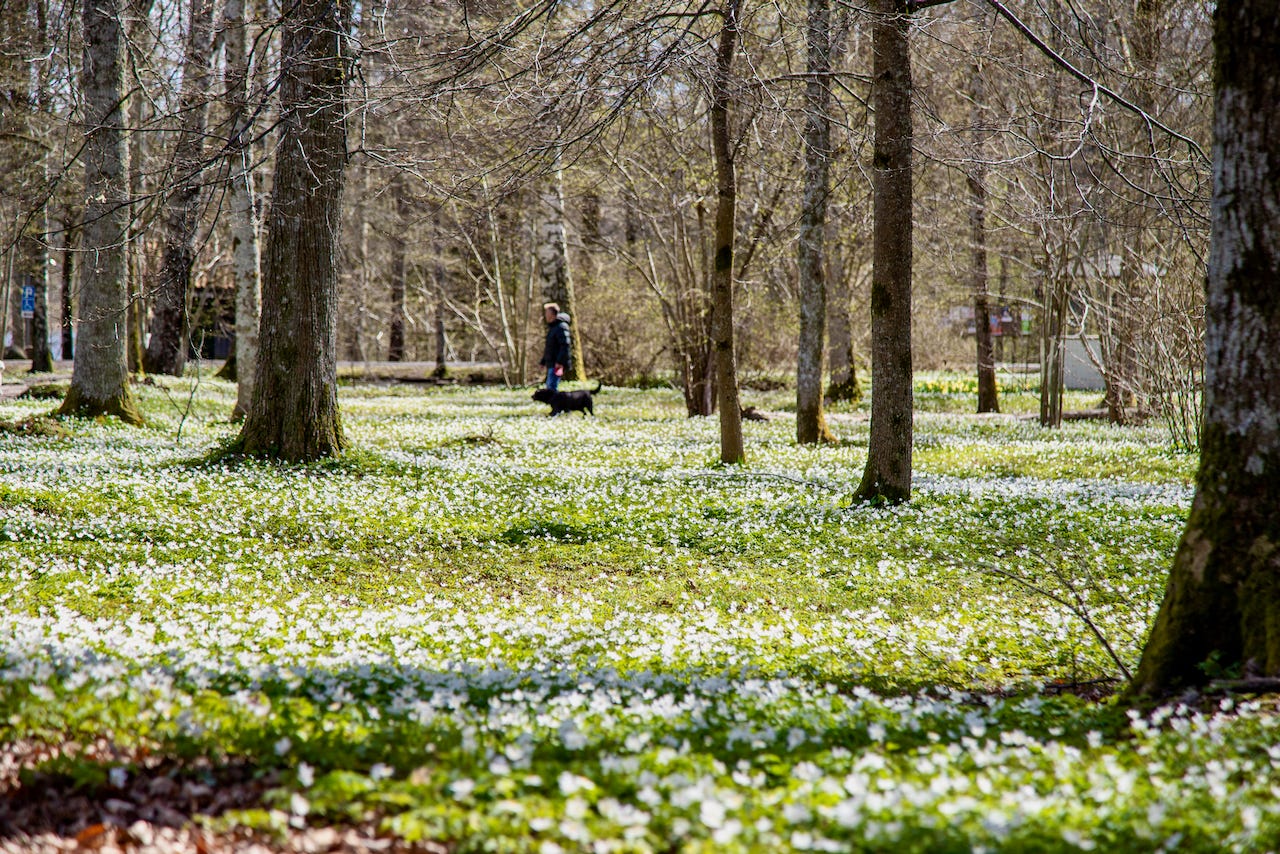
That’s the contrast: some returns haunt you with the absence of what was, others surprise you with the presence of what’s new, and some simply show us the difference between who you were and who you are now. We mistake geography for memory. We think if we order the same meal, walk the same street, the past will reassemble itself. Or at least bring us a little closer to it. But places don’t hold time for us. They keep moving. And so do we.
Travel is time travel in disguise. Each trip is a picture of who you were in that moment: what you feared, what you wanted, what you noticed. Returning means holding that picture against the person you’ve become, and seeing the space in between.
Travel is time travel in disguise.
The mistake isn’t going back. The mistake is expecting it to be the same. Every return is a first time. If you can accept that, going back won’t necessarily be disappointing but could be a discovery. This is why presence matters more than memory. The best travel advice I can ever give is embarrassingly simple: be where your feet are. Not in yesterday’s trip, not in tomorrow’s itinerary, but in the moment that will never come again. Impermanence is the gift. You can ruin it by trying to repeat it, or you can honor it by letting it stay singular.
Going back doesn’t have to mean failure. It can mean acceptance. Each return is a reminder that nothing holds still, that the only trip you can have is the one in front of you. And that is enough.
The best travel advice I can ever give is embarrassingly simple: be where your feet are.
“Let’s never come here again, because it would never be as much fun.” That’s the warning. The answer comes later, when Charlotte says, “I just don’t know what I’m supposed to be,” and Bob replies, “You’ll figure that out. The more you know who you are, and what you want, the less you let things upset you.”
That’s the key to returning. Places will change. So will we. If you know who you are now, you stop asking for a place to restore who you were then. You let the present be the point. Go back, if you want. But order something different. Notice what’s there, not what’s gone. And if sadness rises, let it. Grief is just proof that it mattered.

I want to keep this work open and free for everyone. If it’s within your means, the best way to help is with a paid subscription—it makes it possible for me to keep writing and sharing. If not, you can still support by subscribing for free and passing this piece to a friend. Every reader counts, and together we can keep opening new ways of seeing the world.
If you’d prefer to support through photography, I also sell prints. And if you spot a photo in a story that you like and isn’t listed, just reach out. I’m happy to do special runs at no extra cost.
Reminds me of a saying I really like: “A man never steps into the same river twice, for it’s not the same river and he’s not the same man.” Or something like that. A toast to the Shanghais and Barranquillas of the world 🍻
There’s something quietly devastating and beautiful here. The idea that we don’t mourn cities or moments, but the versions of ourselves that once walked their streets—it hits differently when read from Lisbon at dawn. This piece feels like an exhale: honest, unguarded, and full of grace for the fact that we’re all still learning how to return.